
Description:
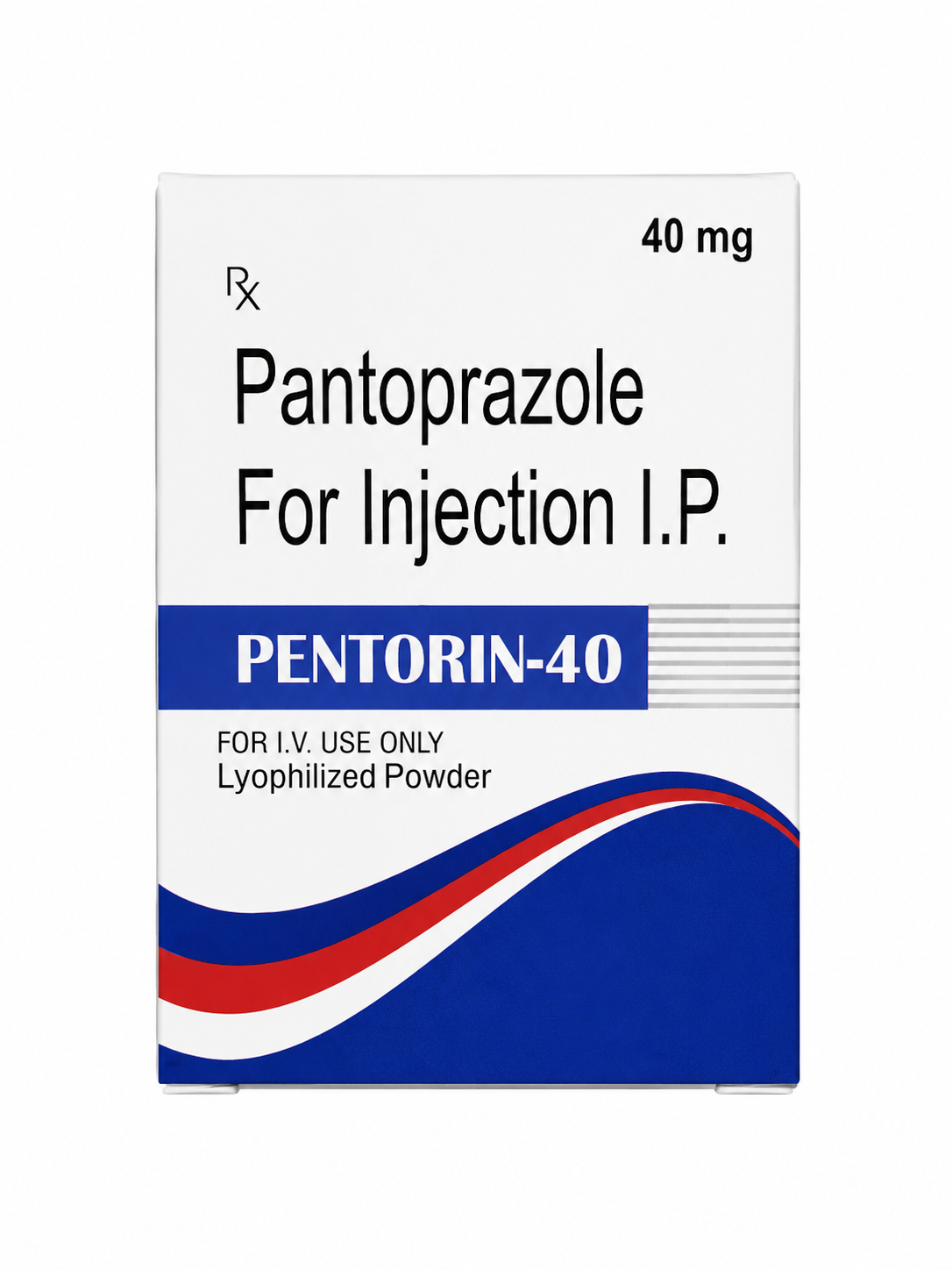
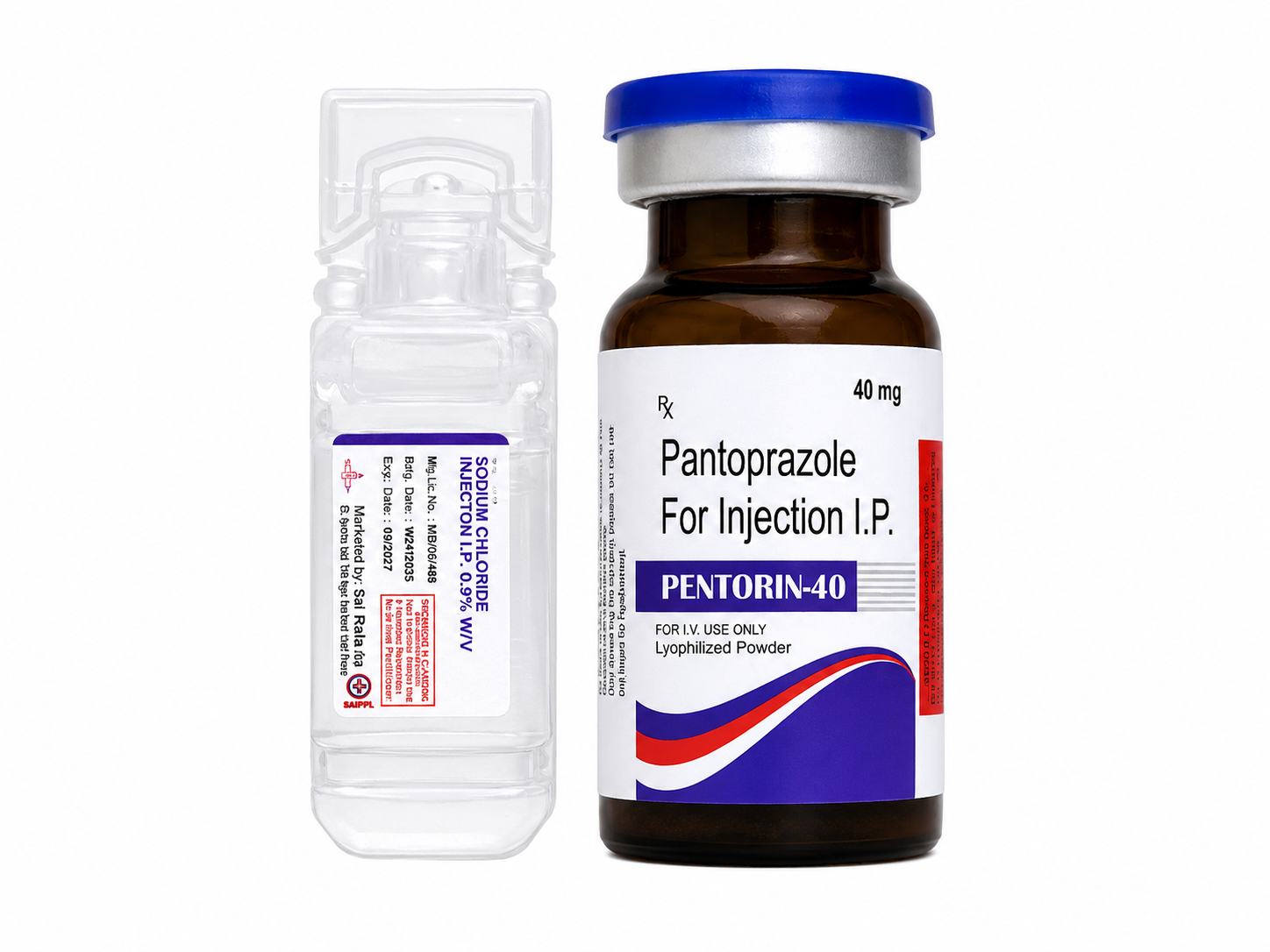
PAN 40 Injection is an intravenous (IV) formulation of pantoprazole used for the short-term management of severe or acute acid-related gastrointestinal disorders, particularly when oral administration is not possible (e.g., due to vomiting, surgery, or critical illness). It provides rapid acid suppression (within 1 hour) and sustained effect for up to 24 hours. The injection is supplied as a lyophilized powder in a vial, reconstituted with normal saline or dextrose for IV bolus or infusion. It is typically administered in hospital settings and transitioned to oral forms once feasible. Not for self-administration; veterinary use only under medical supervision.
Active Salt (Composition):
- Pantoprazole Sodium (40 mg per vial, equivalent to 40 mg pantoprazole base)
Pantoprazole is a proton pump inhibitor (PPI) that irreversibly blocks the final step of gastric acid production by inhibiting the H+/K+ ATPase enzyme in the parietal cells of the stomach lining. This reduces stomach acid secretion, allowing healing of acid-related damage.
Uses and Benefits:
PAN 40 Injection is indicated for conditions involving excessive gastric acid production, offering quick symptom relief and promoting mucosal healing. Key uses and benefits include:
- Gastroesophageal Reflux Disease (GERD) or Erosive Esophagitis:
- Use: Treats severe acid reflux causing esophageal damage, inflammation, or symptoms like heartburn and regurgitation.
- Benefits: Rapidly reduces acid exposure, healing erosions in 4-8 weeks and preventing complications like Barrett's esophagus, improving swallowing and sleep quality.
- Peptic Ulcers (Gastric or Duodenal):
- Use: Manages active ulcers, especially those with bleeding, perforation, or Helicobacter pylori infection.
- Benefits: Accelerates ulcer healing (by 50-70% faster than antacids alone), reduces pain and bleeding risk, and eradicates H. pylori when combined with antibiotics.
- Zollinger-Ellison Syndrome:
- Use: Controls hypersecretory states from gastrinomas leading to multiple ulcers and high acid output.
- Benefits: Suppresses acid production by up to 99%, alleviating severe symptoms and preventing recurrent ulcers or diarrhea.
- Prevention of Stress Ulcers in Critical Illness:
- Use: Prophylaxis in ICU patients at risk (e.g., ventilated, trauma, burns) to prevent NSAID- or steroid-induced ulcers.
- Benefits: Lowers gastrointestinal bleeding risk by 50-70%, supporting recovery without interfering with nutrition or other therapies.
- Upper GI Bleeding or Erosive Gastritis:
- Use: Stabilizes acute bleeding from ulcers or erosions unresponsive to oral therapy.
- Benefits: Promotes clot stabilization and mucosal repair, reducing hospitalization duration and transfusion needs.
- Adjunct in H. pylori Eradication Therapy:
- Use: Part of triple/quadruple therapy with antibiotics for infected ulcers.
- Benefits: Enhances eradication rates to 85-90%, preventing relapse and reducing long-term cancer risk.
Dosage and Administration:
- Adults: Typically, 40 mg once daily by slow IV injection (over 2-15 minutes) or infusion (over 15-30 minutes), reconstituted in 10 ml solvent. For Zollinger-Ellison or severe cases, up to 80 mg twice daily. Duration: 3-10 days, then switch to oral.
- Children/Adolescents (≥40 kg): 20-40 mg daily, as prescribed; not recommended under 40 kg without specialist advice.
- Administered by healthcare professionals only; dilute if needed for infusion. Monitor for injection site reactions. Adjust in renal/hepatic impairment. Complete the course as directed to avoid rebound acidity.
Side Effects:
Common (usually mild and transient):
- Headache, dizziness, or diarrhea.
- Nausea, vomiting, abdominal pain, or flatulence.
- Injection site reactions (pain, swelling, redness).
Less common/rare:
- Dry mouth, insomnia, or rash.
- Serious: Low magnesium (symptoms: muscle spasms, irregular heartbeat—monitor levels), severe allergic reactions (swelling, anaphylaxis), or increased infection risk (e.g., C. difficile diarrhea). Long-term use may raise fracture or vitamin B12 deficiency risk.
Seek immediate medical help for severe symptoms; most resolve post-treatment.
Precautions and Warnings:
- Allergies: Avoid if hypersensitive to pantoprazole, other PPIs, or any component.
- Pregnancy/Breastfeeding: Category B—use only if benefits outweigh risks (limited human data; animal studies show no fetal harm). Passes into breast milk; prefer alternatives for newborns/preterm infants.
- Other Conditions: Inform your doctor of liver/kidney disease, low magnesium, osteoporosis, or lupus (may worsen). Elderly patients need monitoring for falls/fractures. Not for long-term use (>8 weeks) without reassessment.
- Drug Interactions: May reduce absorption of ketoconazole, methotrexate, or digoxin; increases warfarin effects (bleeding risk). Avoid with rilpivirine (HIV meds). No major alcohol interaction, but limit to avoid GI irritation.
- Regular blood tests for magnesium, liver/kidney function advised. Discontinue if rash or joint pain occurs.